
The Grumman F4F Wildcat earned a reputation for ruggedness and pilot survival that was justly deserved. The aircraft it replaced, the F2A Buffalo, did not have an armored slab that extended above the pilot’s shoulder level, so when the USMC’s VMF-221 went into battle with the F2As at Midway, there was a lot of discussion among the pilots that they lost many of their squadron mates to cannon and machine gun fire that struck their heads.
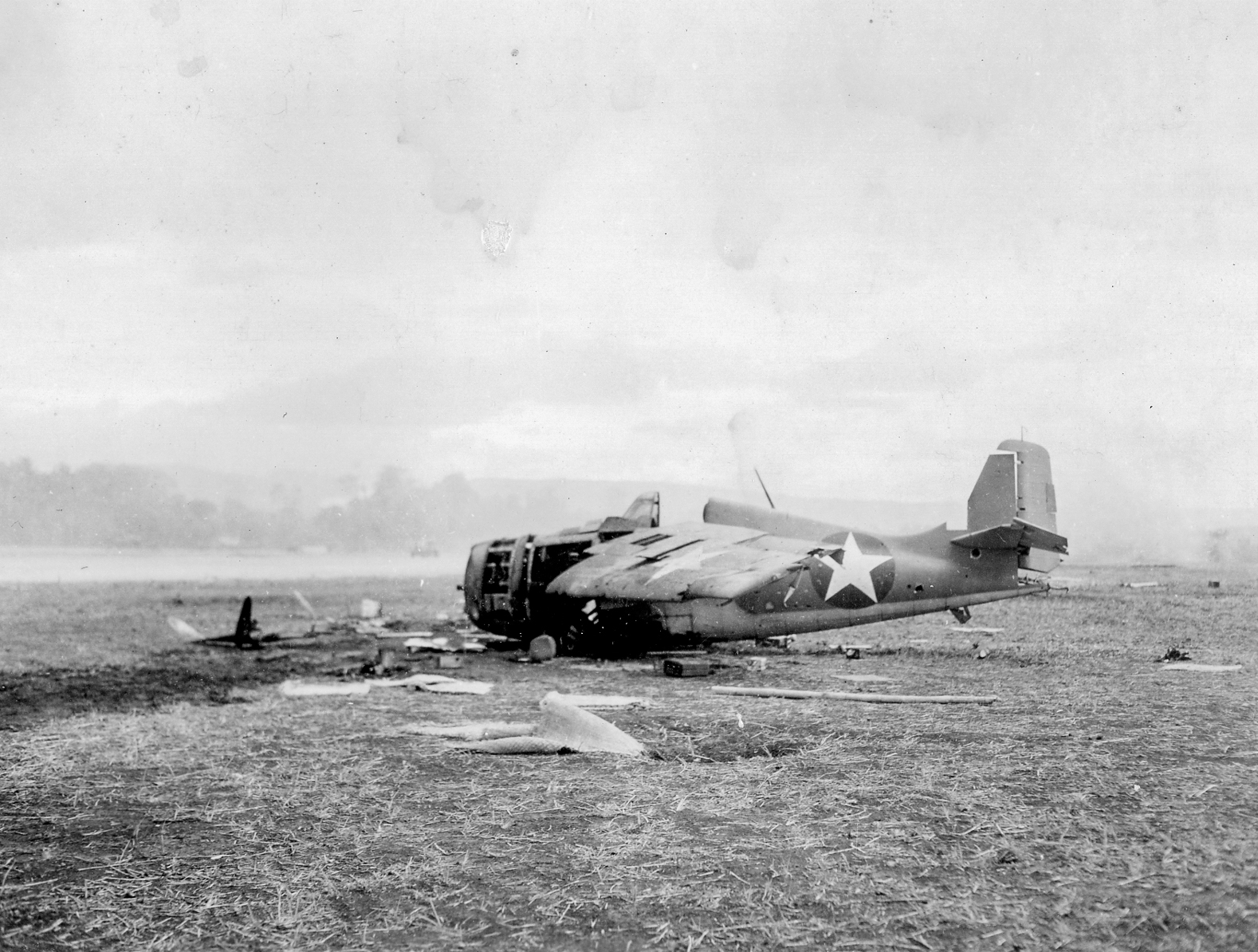
The armor plate in the F4F extended all the way up to the pilot’s headrest, which at times allowed the Marine and Navy pilots to hunker behind it as a Zero they couldn’t shake hammered away at them. That slab behind their seat saved countless pilots in 1942.
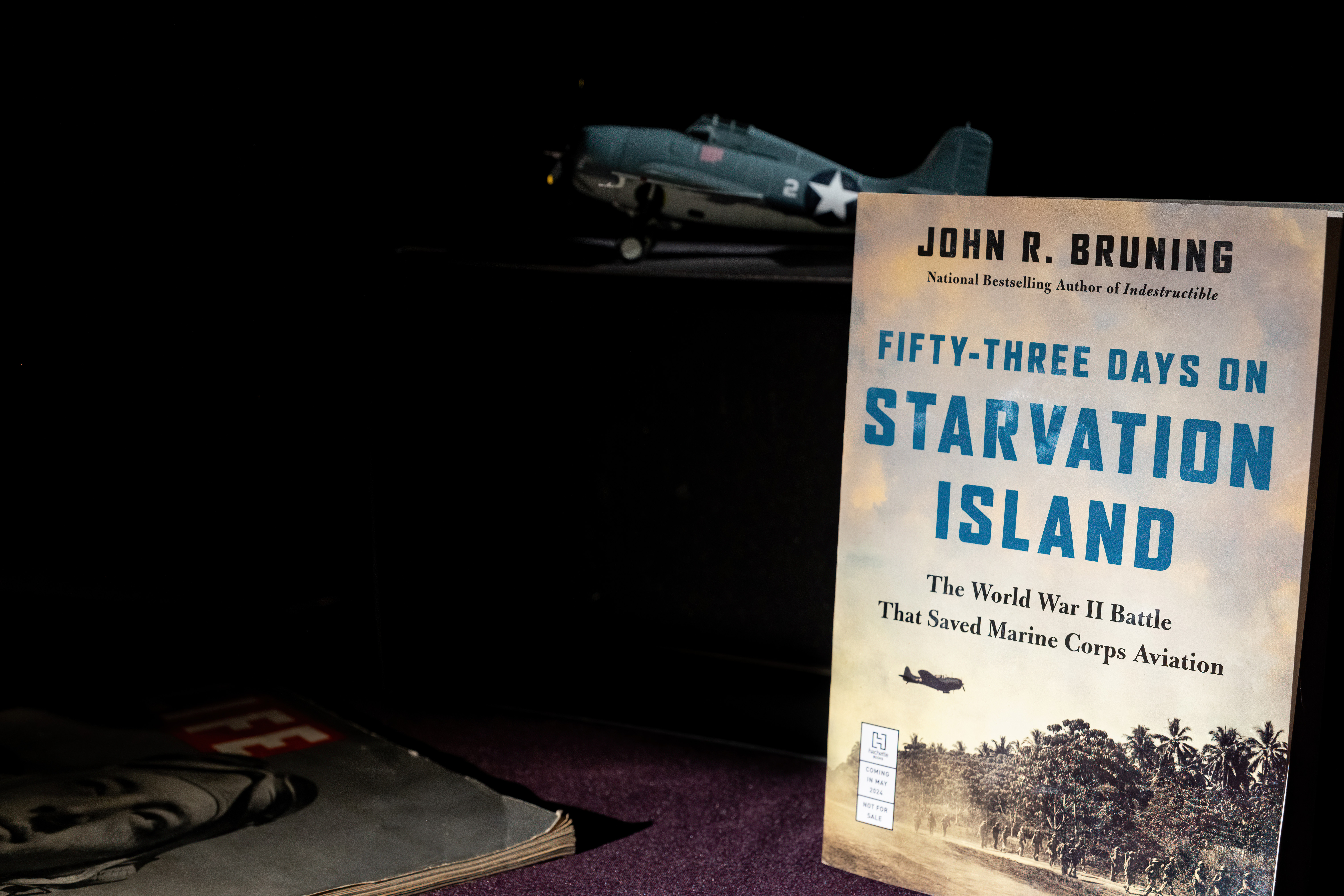
However, in doing the research for “Fifty-Three Days on Starvation Island,” I discovered two weaknesses in the F4F that plagued the pilots flying daily combat operations on Guadalcanal in them.
First, taking hits in front of the windscreen along the top and upper sides of the cowling often severed the F4F’s main oil line. This caused a spray of scalding hot oil to pour into the cockpit from under the instrument panel, inflicting horrific burns on the pilot. John Lindley, a beloved and highly respected member of VMF-223 was wounded in this manner in late August on Guadalcanal. Several others were wounded in the same manner in the days that followed.

The oxygen system was the other weak point. The oxygen masks were poorly designed, the system was also poorly designed, and there were few replacement oxygen tanks in the South Pacific, and no way to refill them on Guadalcanal. Contaminated O2, faulty masks or just the poor design of the system contributed to the loss of quite a few Marine and USN pilots during the first fifty-three days of the air war over Guadalcanal.
Despite these issues, the Wildcat was a solid performer that gave America’s naval aviators a weapon that was capable, if properly flown, of beating the A6M Zero in air-to-air combat. It remained in production at General Motors facilities until the end of the war, despite being replaced by the F6F and F4U as the first-line carrier-based fighter in the Pacific.
 The American Warrior