Posts Tagged With: #Pacific War

The Last Jump: Task Force Gypsy at Aparri

Gen Kruger with 511th PIR 11th Airborne 45 4x6

General Walter Krueger with men of the 511th Parachute Infantry, seen in the Philippines 1945.


During the bitter fighting for Northern Luzon, Philippines in the final months of World War II, the 37th Infantry Division (Ohio National Guard) was tasked flanking the main Japanese positions and seizing the coastal town of Aparri. This was the scene of one of the first Japanese amphibious landings in the 1941-42 campaign.  General Walter Krueger decided to commit elements of the 11th Airborne Division to the attack, which he hoped would ultimately surround one of the last major Japanese army formations on the island (Shobu Group with about 50,000 men).

11th Airborne Div 503rd PIR Landing on Corregidor Aerial View Philippines 021645 ix (1 of 1)

The 503rd Parachute Infantry Regiment, 11th Airborne, landing on Corregidor, February 16, 1945.

The storied 11th Airborne Division was the only air assault unit available to General MacArthur’s Sixth and Eighth Armies. The men of the 11th had executed airborne landings at Nadzab, New Guinea, Noemfoor, New Guinea and had dropped on Corregidor Island right atop a garrison that significantly outnumbered them. Elements of the division at taken part in the Los Banos Raid, the liberation of Manila and had fought on Leyte and Negros Islands as well.

The 1st Battalion, 511th Parachute Infantry formed the core of the task force assembled for this new mission, but men from the 187th Infantry, the 127th Engineers and the 457th Parachute Field Artillery also joined what would be known as TF-Gypsy. The plan called for a drop and glider landing on an airfield just out side of Appari. Once on the ground, the task force would push south while the Ohio National Guard advanced north to effect the link up.

The operation began on June 21, 1945 when a small group of Pathfinders air assaulted onto Camalaniugan Airfield to prep the LZ. Two days later, on the morning of June 23rd, the men of Task Force Gypsy climbed into sixty-seven C-47’s and C-46 transports for the short flight to the LZ. As the aircraft arrived overhead, the Pathfinders on the group popped colored smoke to mark the drop zones.

11th airborne division airborne assault on aparri field 1945948 5x7

Four of the six Waco CG-4’s that took part in the Aparri landing are seen here in the LZ. June 23, 1945.

Heavy winds hampered the parachutists. Two were killed and at least another seventy suffered injuries as they were buffeted by the winds and thrown into trees or other terrain features on the ground. The airfield itself was poorly developed and the uneven ground proved treacherous.

A half dozen Waco CG-4 gliders landed after the parachutists got on the ground. They carried the task force’s heavy weapons and jeeps, giving Gypsy a bit of mobility.

11th airborne paradrop june 45 Luzon 8x10

Task Force Gypsy jumps at Appari, 0900 June 23, 1945

The task force quickly assembled and began patrolling south of the airfield, where the paratroops ran into determined resistance. For three days, the men of the 511th and 457th Parachute Field Artillery Bn (attacked to TF Gypsy), burned out bunkers with flame throwers, destroyed pillboxes with 75mm pack howitzer fire and waited for the 37th to reach them. It took until June 26th for the two American elements to link up, but when they did, the Shobu Group’s escape route to the coast had been cut off. The Japanese troops faced a grim fate: starvation, death or surrender.

5th af series swpa appari drop 560 4x6

TF Gypsy forming up and moving south from the LZ, June 23, 1945.

The Aparri operation was the last American combat air assault operation of WWII. A number of combat cameramen joined the mission, taking extensive film and photographs while in the LZ. Below is one reel of uncut, unedited footage shot by one of those men on June 23, 1945.

This post is dedicated to the memory of Everett “Smitty” Smith, 187th Infantry, who was part of TF-Gypsy that June. His son has a fantastic blog that chronicles his father’s experience during the war. Find it at: https://pacificparatrooper.wordpress.com

Rakkassans!


Categories: World War II in the Pacific | Tags: , , , , , , , , , , , , , , , , , , , , | 3 Comments

Saipan Beach H-Hour, in Color

USMC Series WWII Saipan 1st wave hits beach LVT 061544  (1 of 1)In just two hours on June 15, 1944, three hundred amphibious tractors (LVT’s) carried over eight thousand heavily armed U.S. Marines onto Saipan Island in the Marianas Chain. It was a masterful display of amphibious warfare tactics and doctrine, but it also set the stage for a brutal, close range battle for control of Saipan’s sandy west coast. In places, the Marines found themselves pinned down by intense mortar, artillery and automatic weapons fire, and it took hours just to claw a foothold ashore. But by nightfall, the Marines had established themselves enough to repel the first of many Japanese counter-attacks.Marines struggling on the beach at saipan 5x7

This short film clip is raw footage shot by one of the Marine combat cameramen who went ashore with one of the first waves. It is silent, as was most of the footage shot, but that only adds to the poignancy of these scenes. The images are striking, not only for the chaos and carnage they reveal, but also for the film’s clarity. Much of the Marine Corps color footage has deteriorated over the years so that they are predominately reddish or blue. It makes for muddy looking scenes, and in many cases the more common black & white film has stood up better over the years. This clip is stark, clear and the colors have survived the decades in remarkably good shape.


Categories: World War II in the Pacific | Tags: , , , , , , , , | 3 Comments

Saviors: Flying Dutchmen B-17’s

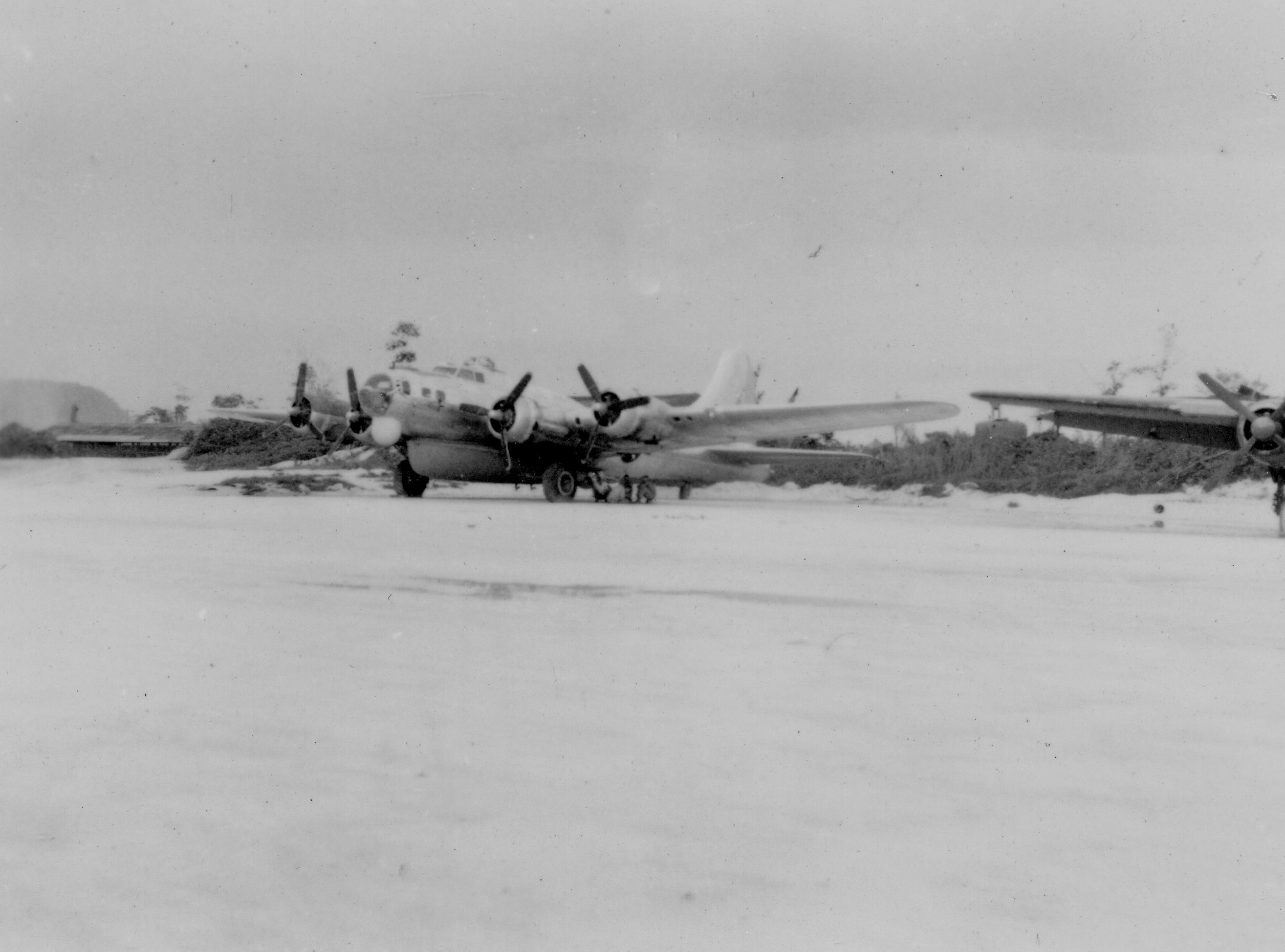
air sea rescue b17 ie shima047

A Flying Dutchman B-17 awaiting its next mission at Ie Shima in August 1945. 5th Rescue Group.


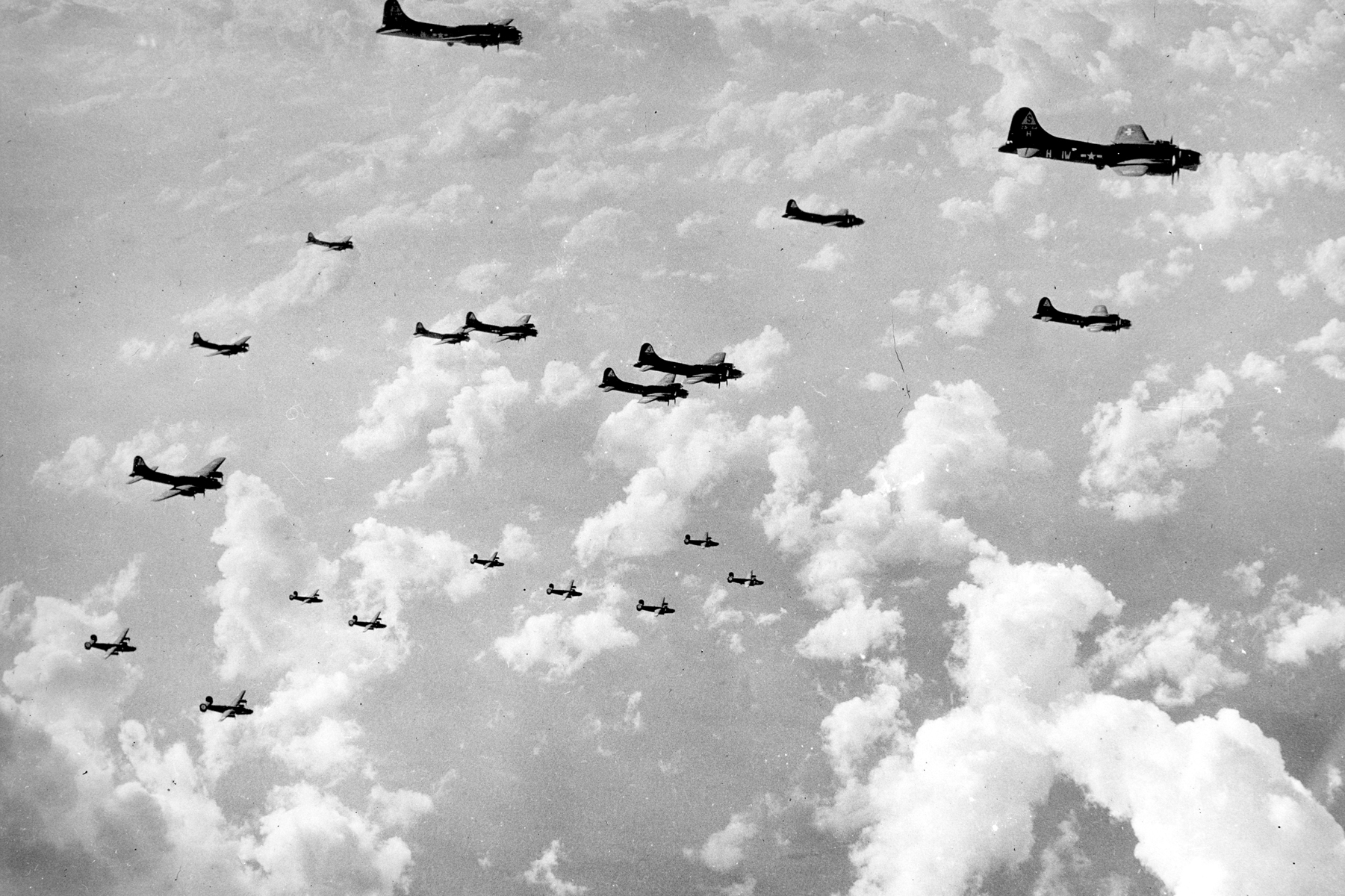
The 401st Bomb Group over Germany, December 30, 1943.


As the war ended in Europe and the air offensive against Japan became the focus of the USAAF’s last efforts in WWII, the B-17’s day as America’s work horse bomber came to an end. Most of the Forts still remaining in service with the 8th and 15th Air Forces would soon be scrapped or sent to bone yards. A few dodged that fate when the USAAF converted about 130 to perform a much needed and unheralded role in the Pacific.

The vast distances between targets in Japan and the B-29 bases in the Marianas assured that many crippled Superforts would end up in the Pacific.

b29 tail t 4x6Submarines were posted along the strike routes to help save the crews that went into the drink, but the USAAF needed their own Search And Rescue squadrons to help find those men. A number of air rescue squadrons were already in service in the Pacific, mainly flying the venerable PBY Catalina. In the final months of the war, the USAAF began employing modified Forts in the SAR role.


A 5th Rescue Group B-17H at Ie Shima, July 27, 1945


Dubbed the B-17H “Flying Dutchmen,” the planes carried an A-1 Higgins lifeboat under the fuselage. Twenty-seven feet long, self-bailing and self-righting, these boats could be dropped by the Forts to downed crews bobbing on the Pacific swells. Three parachutes would deploy and help ensure the boat landed in the water safely. Once aboard, the wet airmen would find blankets, provisions and survival gear waiting for them, all carefully stowed in the A-1.

The Flying Dutchmen also carried search radars in place of chin turrets. Operating from Ie Shima Island in the final weeks of the war, the Flying Dutchmen of the 5th Air Rescue Group saved a number of B-29 crews before the Japanese surrender. They continued in USAAF and USAF service, performing their vital duties in the Korean War and beyond until 1956. After 1948, they were redesignated SB-17G’s.


Professor Edward Mooney has shared a link that shows how the Higgins Boat was deployed. Thank you Dr. Mooney!

http://members.peak.org/~mikey/746/boat.htm


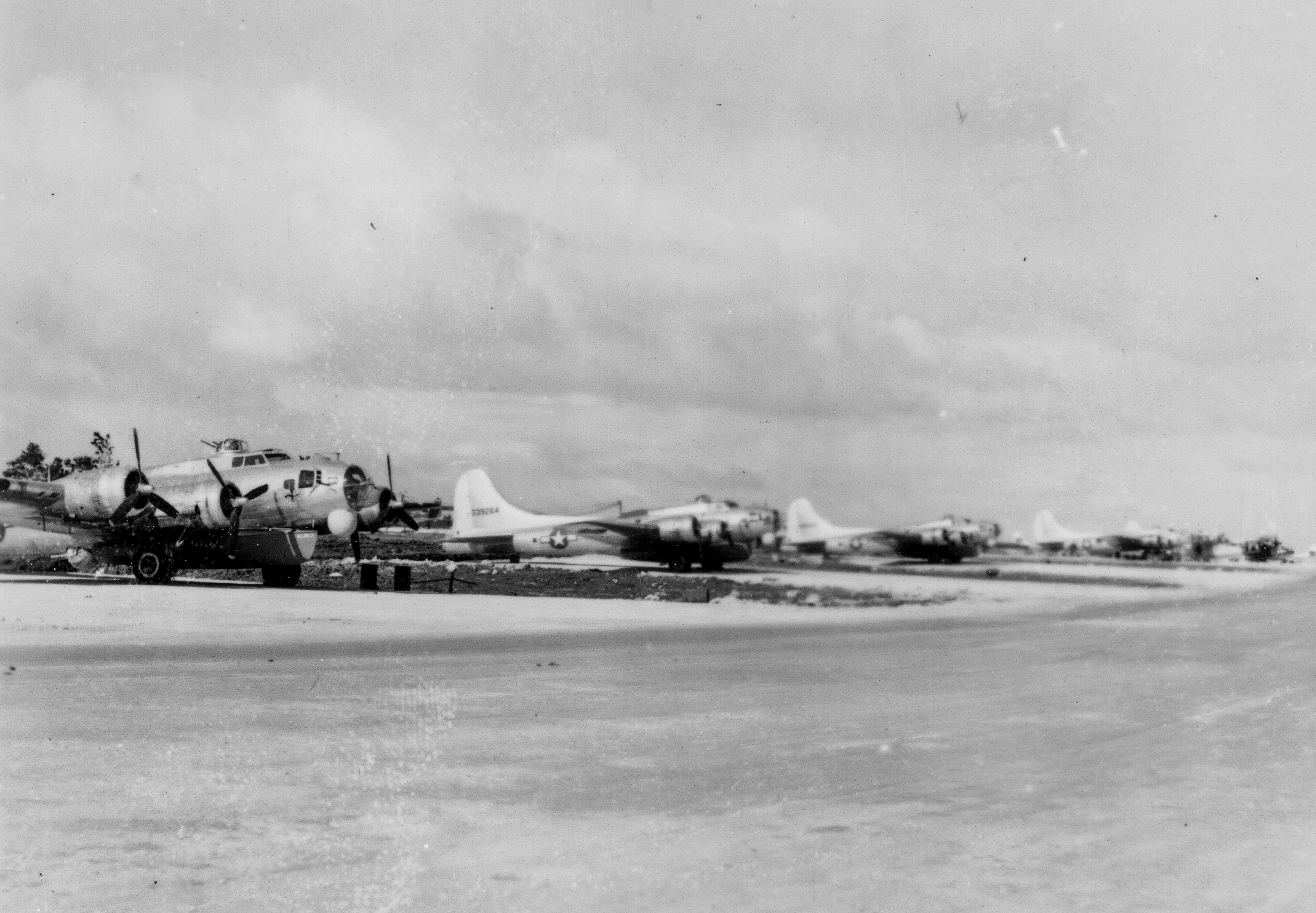
air sea rescue b17 ie shima048

The 5th Rescue Group’s B-17H’s at Ie Shima Island, near Okinawa. Seen in August 1945.


Categories: World War II in the Pacific | Tags: , , , , , , , , , , , , | 1 Comment

Thanksgiving on Amchitka

Thanksgiving on Amchitka, November 25, 1943.


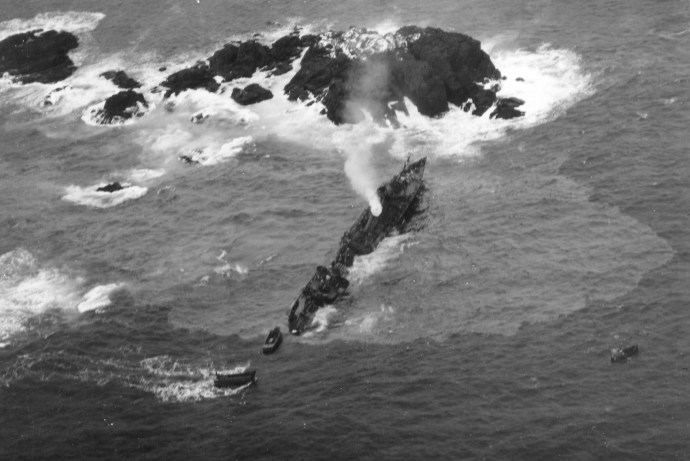
DD352 Aground off Amchitka Series  227 4x6

The Japanese did not oppose the American landing at Amchitka in January 1943, though the rough waters and dangerous shoals around the island claimed the USS Worden (DD-352). Fourteen of her crew died as their ship broke apart and sank on the rocks.

Amchitka was easily one of the most remote and inhospitable U.S. military outposts of World War II. It was so remote that during the Cold War, the U.S. detonated three nuclear warheads on the island in various underground tests. Located about 80 miles from Kiska Island in the Aleutian chain, American forces landed there unopposed in January 1943 and quickly built an airfield there to support the final stages of the campaign in the far north. Once the Japanese had been driven from Attu and Kiska, Amchitka-based Navy patrol bombers and 11th AF aircraft began periodic attacks on the Japanese Kurile Islands.

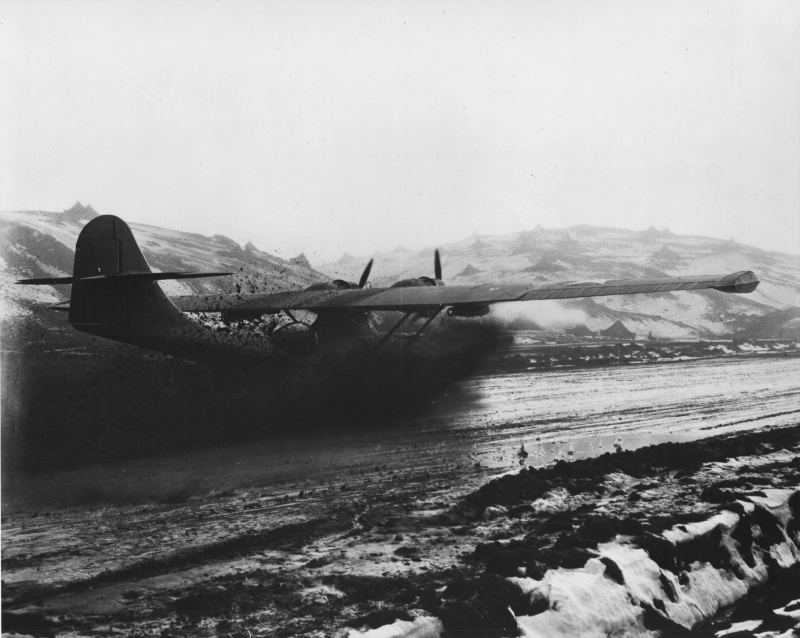
amchitka mud landing

A PBY from Fleet Air Wing Four operating from Amchitka’s mud and Marston Matting strip.


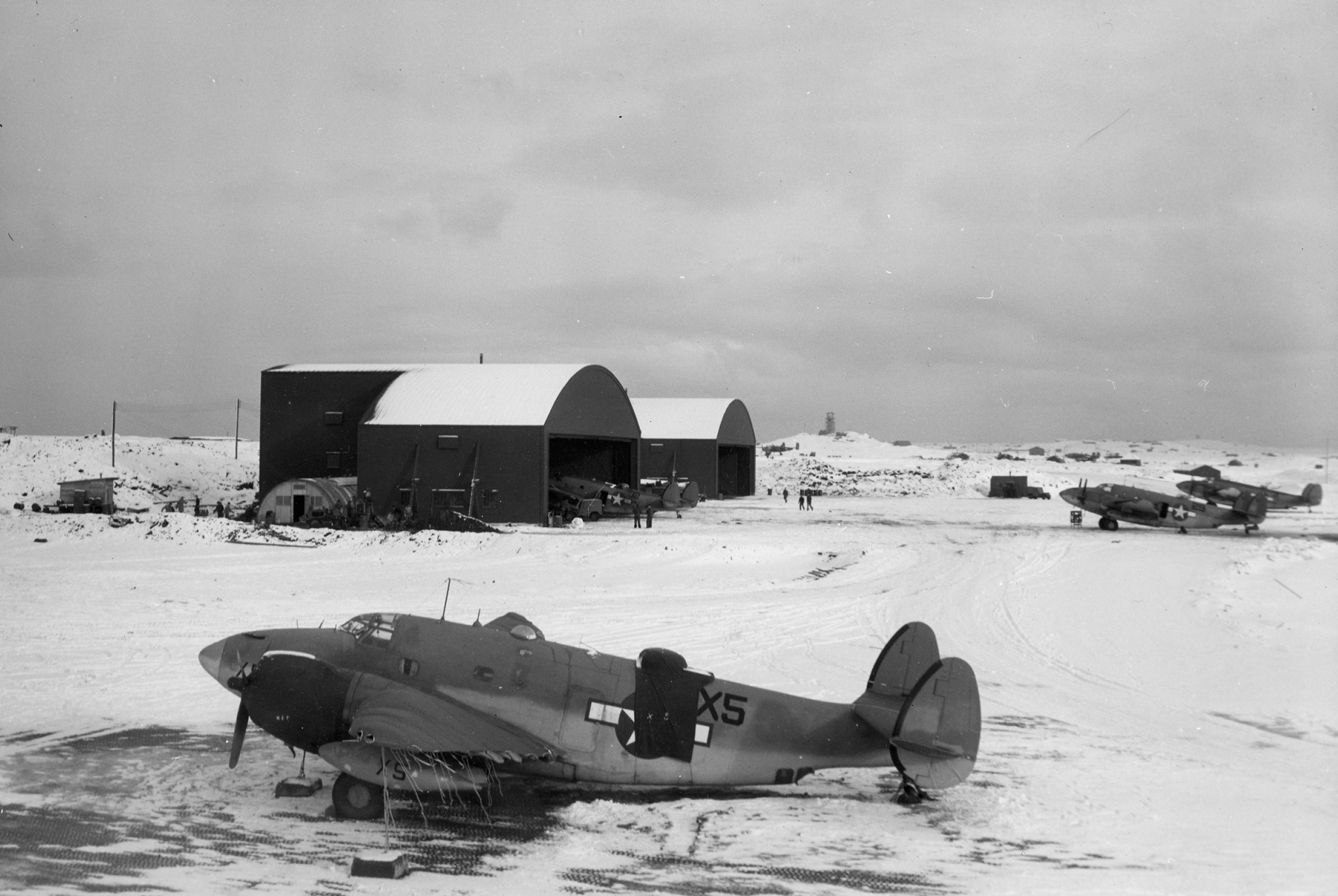
FAW4 PV1 Ventura Amchitka Dec 7 43 4x6

A squadron of PV-1 Venturas at Amchitka in late 1943.

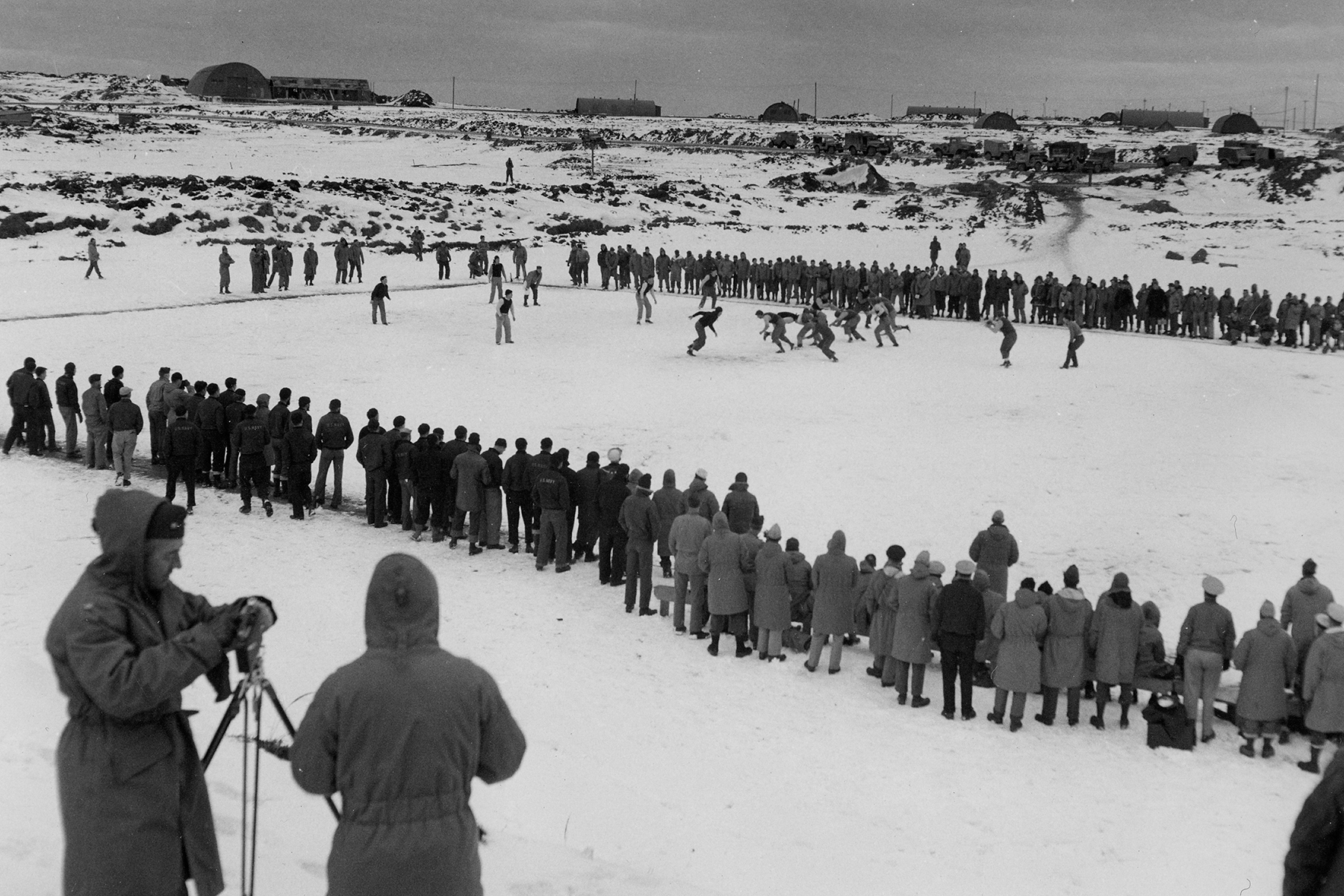
It was a dreary place to be stationed. The weather was awful, accidents frequent, mud or frozen snowdrifts the polarities of daily living. Yet, the men exiled to Amchitka did their best to make the place home. This included their own version of an American tradition–the Thanksgiving Day football game.

Amchitka Football Game in Snow Nov 25 43 Thanksgiving Day 039

The Thanksgiving game on Amchitka, 1943.


Categories: World War II in the Pacific | Tags: , , , , , , , , | 5 Comments

Photo of the Day: Marine M5 Stuart Tank Crew 1944

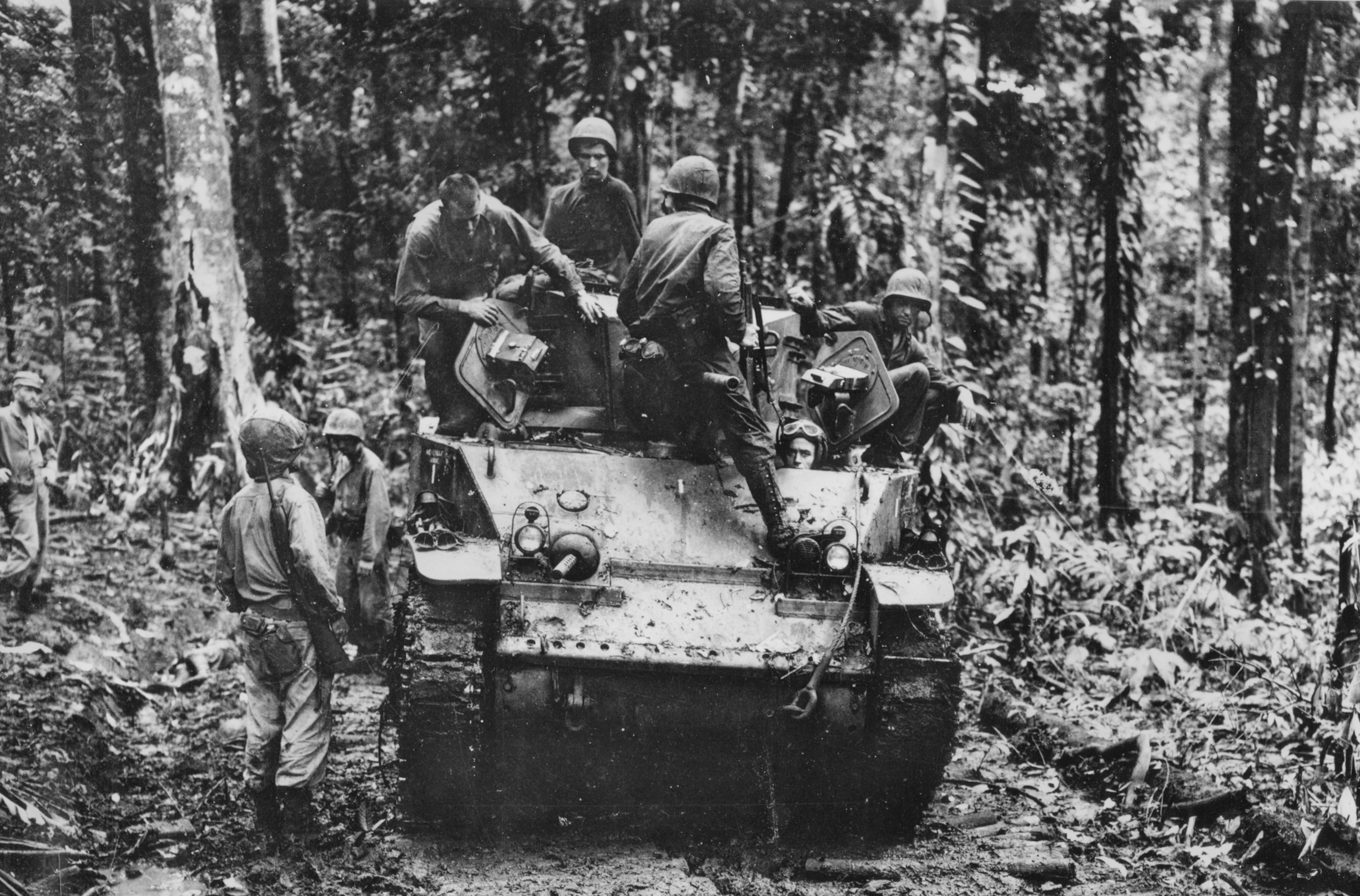
1st Marine Division M3 Stuart Cape Gloucester New Britain 011644  (1 of 1)

1st Marine Division M5 Stuart light tank crew taking a short break during the brutal fighting at Cape Gloucester, New Britain. January 16, 1944.


Categories: World War II in the Pacific | Tags: , , , , , , , , , | Leave a comment

Happy Birthday, U.S. Marine Corps

4th marines on corregidor 1942865 5x7

4th Marines on Corregidor, early 1942.


tommy gunner marine peleliu 4x6 ii

1st Marine Division fighting on Peleliu, September 1944.


Vietnam Series 1st Marine Div 1st Battalion 1st Marines PFC with Sniper Hole In Helmet Hue City 020168  (1 of 1)

Private First Class William Purcell, A Company, 1st Battalion, 1st Marines, checks out the hole in his helmet after he was hit by a North Vietnamese sniper during the fighting for Hue City, February 1, 1968.

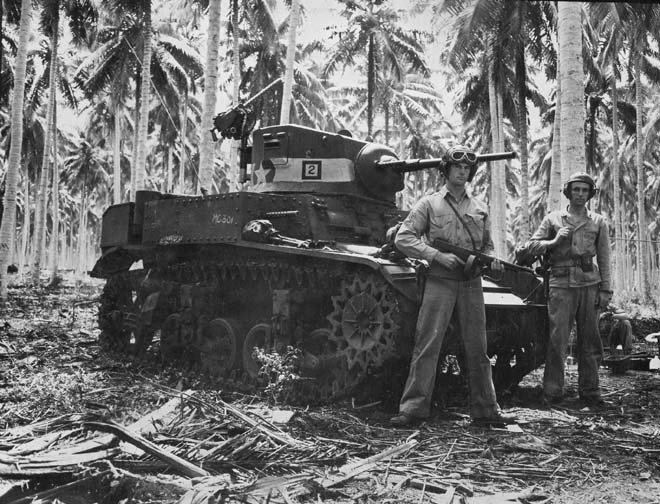
marine tankers450

Marine M3 Stuart crew, Guadalcanal Campaign, fall 1942.


Marines struggling on the beach at saipan 5x7

First morning on Saipan. June 1944.


skynight marine korea 4x6 color

Marine night fighters, Korea 1953.

Korean War Series 1st Marine Div LVT Buffalo  Haengju Crossing of Han river 092150  (1 of 1)

1st Marine Division crossing the Han River at Haengju, Korea, September 21, 1950.

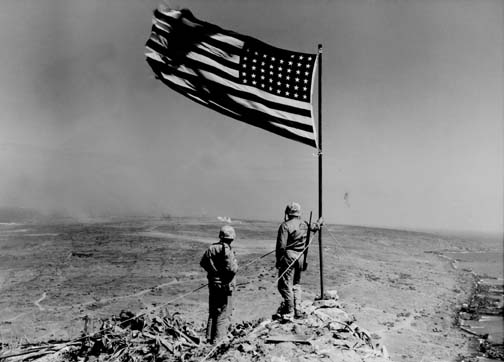
marines and flag at iwo not famous shot ii768

Mount Surabachi, Iwo JIma, February 1945.

Categories: Korean War, Vietnam, World War II in the Pacific | Tags: , , , , , , , , , , | Leave a comment

Blog at WordPress.com.