 On April 22, 1934, a 39-year old man died of pneumonia outside of Pittsburgh, Pennsylvania. To his neighbors who watched as the family house fell into disrepair, was finally boarded up and abandoned in the depths of the Depression, the owner was an oddball sort of man who never fit into their community. He was seen drinking alone on his porch, and in his final years alcoholism wrecked both his health and most of this relationships.
Wrote historian Dennis Gordon, “…spiritually ravaged by his war experience, he had increasingly sought release through drink. He appeared dispirited, much older than his thirty-nine years….”
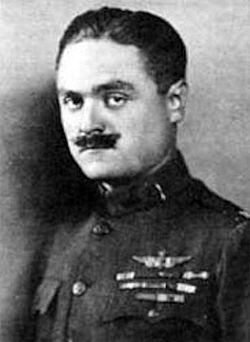 This was the tragic last act in the life of Lieutenant Colonel William Thaw, the first American to fly in air combat. He became a national hero during World War I, first while as a Soldier in the French Foreign Legion, later as a member of the all-volunteer American squadron called the Lafayette Escadrille, which fought for the French long before President Wilson asked Congress to declare war on the Central Powers. Later, as the United States Army Air Service reached the Western Front in 1918, he commanded the 102nd Aero Squadron. He served with great distinction and was awarded two Distinguished Service Crosses, the Legion of Honor and the Croix de Guerre while being credited with five German planes downed.
Somewhere in his experience on the Western Front, the vibrant, brilliant young man suffered what has been called, “the soul loss moment.” He returned home, but returned home in form only. Ultimately, the war claimed him as surely as it claimed his comrades who died fighting on the Western Front.
Over the twenty-seven years I’ve been writing about and interviewing combat veterans and their families, I have heard the same refrain countless times. “He came home, but he was never the same.” Families have shared with me stories of their veteran’s return. The first months, a honeymoon, but after the luster wore off, the war reclaimed them. My knowledge is anecdotal, but the alcoholism and suicide rate among those who returned from World War II’s front lines seems to have been a vastly underreported cost of our victory.
A dear friend who served in combat during the Gulf War once retold the story of his own father’s struggles. His dad had joined the infantry at the start of World War II and was sent to fight in Italy. He stayed in after the war and rose through the enlisted ranks to be an established and highly regarded non-commissioned officer. He served in Korea, and during the Cold War. But his experiences in Italy were never far from him, or his family. Ultimately, he took his own life, years after the shooting had ended. When I asked his son, a well-respected NCO and combat veteran in his own right, if he considered his dad a combat casualty, he didn’t even hesitate, “He absolutely was.”
In 2011-12, I wrote a book with Captain Sean Parnell detailing the experiences of his infantry platoon in combat during a particularly difficult deployment to Afghanistan in 2006. Since Outlaw Platoon was published, at least four members of Captain Parnell’s company have taken their own lives.
From 2001-2014, the suicide rate among veterans jumped thirty-two percent. As of 2016, twenty veterans commit suicide every day. Not every one of those tragic ends is a result of combat experience, but some no doubt are.
After World War II, thousands of veterans returned home with severe medical conditions. Many were survivors of Japanese prison camps and the Bataan Death March where starvation, jungle diseases and brutalizing treatment by their captors destroyed their physical health. Some survived only a few months after being rescued at war’s end, others survived longer. But all too often, their physical debilitations dramatically cut short their lives.
The Second World War was not unique in this regard. World War One saw thousands of post-Armistice deaths directly attributable to the wounds (such as those inflicted by gas) and the physical cost of serving in the trenches.
The Americans taken prisoner in Korea came back after the war in as poor condition as the captives of the Japanese. In Vietnam, it was the same story with our returning POW’s, but now chemicals such as Agent Orange inadvertently destroyed the post-deployment lives of tens of thousands of veterans. By the early 1990s, almost 40,000 veterans had filed disability claims with the VA as a result of the health impact of this defoliant. How many have died as a result of exposure is unclear, but it is not a trivial number.
During a deployment in Iraq during the early years of the invasion and occupation, Indiana and Oregon National Guard troops assigned to guard a water treatment facility were exposed to hexavalent chromium, which has caused several deaths to rare forms of cancer.
These men and women are never honored on Memorial Day. Counting them is impossible because of the nature of their deaths and how the war claimed them. They did not fall in battle, but they deserve to have their service and its consequences recognized and honored, even if one considers suicide a dishonorable end. Men like William Thaw helped secure freedom for Europe and the United States, and their devotion in battle should not be tainted by the way they chose to die. Judging them, stripping them of what they did accomplish in their lives by ignoring them, is to deny the emotional anguish and trauma they lived with every day after returning home. For those who know its nature, it is a form of living death.
The consequences of loss, be it on the battlefield or after, has a generational impact on the families who endure these deaths. That point was driven home to me early in my career when I wrote about a fighter ace who died at the end of World War II. His wife was destroyed by his loss and the family was forever scarred by his death. It led to dysfunction and fifty years of pain, alcoholism and mental illness. His brother, who also served, blamed himself for his brother’s death in 1945 and took his own life in 1975. I remember writing the end of that story, sobbing as I recounted how everything in his family broke after the fighter ace’s death. It was never whole again.
When I moved to my little town in Oregon in 1994, I discovered one of our neighbors had lost her husband during WWII. She raised a daughter alone, never remarried and lived a silent, desperately lonely life as a recluse. The death of her loved one caused her to disengage from almost everyone around her.
More recently, I’ve been researching another ace whose loss had a similarly catastrophic effect on his family. Once highly regarded and politically connected, his family slipped into financial insolvency, abuse and chaos as his widow married and remarried five times. Who can ever fill the void of the loss of one’s true love?
 These are all human costs of war; ones that rarely makes the history books as they are difficult to face and discuss. But we need to have a conversation about them, because it is an after-effect of every war this country has fought. Before we send our men and women into battle, our nation’s leaders must recognize the long-term effect it will have on some of the families and communities that send their loved ones off to war. It must be a factor when deciding whether or not the crisis at hand merits the use of force. Once the decision is made to send in the troops, we must have in place a better and more robust structure to support those who return home. In the last sixteen years of war, we have a spotty record at best of doing that, and the toll has been a heavy one as a result.
So this weekend, while we honor those who have fallen in battle, I will take a moment and give thought and prayer to those families who have lived the nightmare of loss and know the shattering moment when the contact team arrives on their doorstep. Their loved one gone, their lives destroyed—rebuilding and finding a new sense of normalcy among such grief is a monumentally difficult task.
This weekend, I’ll remember what I’ve learned these past twenty-seven years of the post-war deaths that wrought such pain to the families I have met. Just don’t tell me their loved ones were not combat casualties. The only difference I see is that it took longer for the war to claim their lives. I hope you will join me in remembering these forgotten combat veterans as well.


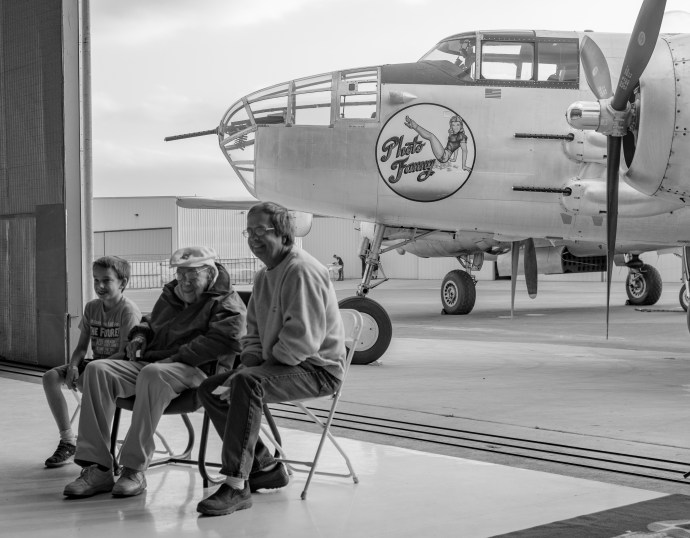
 Last week was a very special one for me. After finishing up doing research at the Richard Ira Bong Veterans Historical Center in Superior, I drove south to Oshkosh, pitched a tent and spent five days photographing the aircraft.


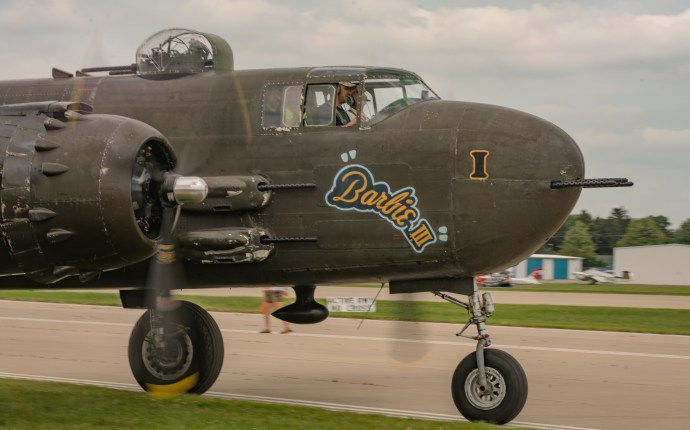
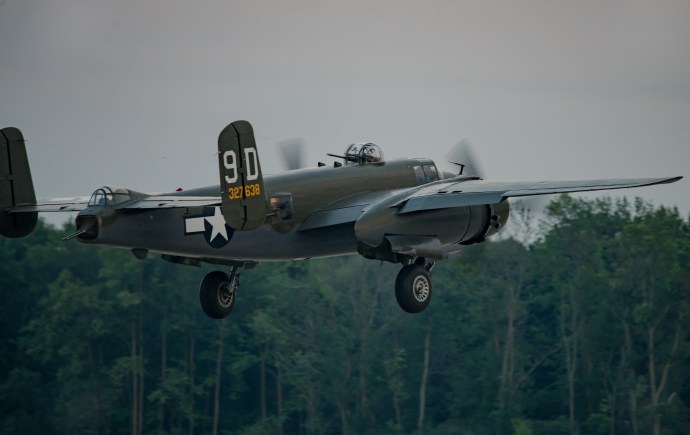
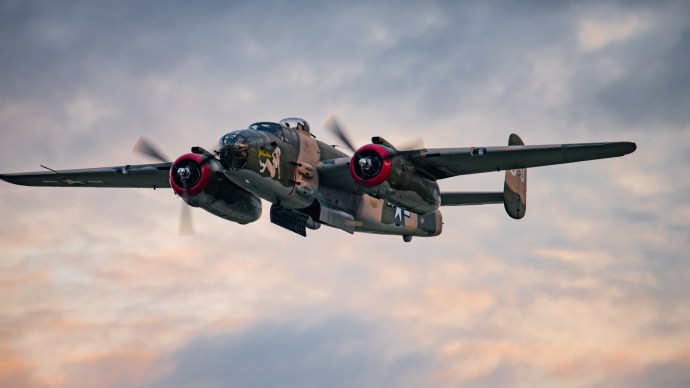


 On the night of October 11, 1957, Paul Irvin “Pappy” Gunn was flying a Beech 18 in the Central Philippines. A sudden downforce slammed his low flying aircraft into the ground. Props damaged, fuselage and wings torn up, the Beech was probably doomed right then. But Pappy Gunn, with over 20,000 flight hours, somehow managed to firewall the throttles, gain a bit of altitude and start to turn for the nearest airfield. If he had only a few more feet of altitude, he might have made it. Instead, he struck a tree, and the Beech crashed with the loss of everyone on board.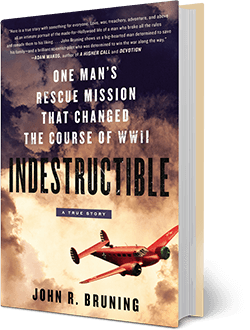
 I spent a lot of time on road tripping around the country from 2010 on; many of you have followed my shenanigans here on FB as I’ve passionately explored our beautiful country and its history from the left seat of the Goat. I’ve met a lot of people, had a lot of special moments from walking the Selma Bridge and sitting at Rosa Parks’ bus stop to chance encounters with destitute and desperate Americans, farmers and people my age grimly trying to build a second career after losing their first one in the 08 recession.

 Why? Because we are an exceptional people. I don’t care your color, gender, sexual identity–we are a tapestry of unusual awesome. No other country has such a vast spectrum of human experience, talent, ability, values, and outlooks. Yes, it makes us fractious and nasty at times like now, but collectively it gives us the power to change the world. And we have been doing that for two hundred plus years. From the first imperfect, but radical ideas of freedom and liberty to the hundreds of thousands who perished in combat to extend freedom’s reach, to the social and technological revolutions we have started–computers, television, vehicles, industry, psychology and space travel. Historians and football players can say America was never great, but to say Americans are not exceptional is to insult every great one who has found the courage to stride into the wind and change the world for the better. Rosa. Martin. Ike. Lincoln, Susan B Anthony, Elizabeth Blackburn. Pappy Gunn. The list could go on for thousands of pages.



 My Friends,







 The American Warrior
