

Gerald R. Johnson, Oregon’s top ace who left the University of Oregon to join the Air Corps during his junior year in 1941.
A Tuesday morning tale.
In 1991, I sat in a house in Eugene, Oregon and peered into a USAAF locker box filled with letters, diaries, photo albums, home movies and personal effects of a fighter pilot long forgotten by the state he loved. In all those letters, and through his writing, I met an entire cast of kids from Eugene’s west side who grew up in the Depression, started school at the University of Oregon and ultimately ended up scattered all over the globe as a result of WWII.
I wrote a grad school paper on the kids in this neighborhood, and how the war affected this little community around West Broadway. The war was brutal to this neighborhood and the friends who bonded playing together as kids. It destroyed the pre-war social fabric. In its place, a new one gradually was cobbled together as some of them came home. Others were killed in action. Others found careers elsewhere. One ended up as a 3rd world dictator’s personal pilot. Some stayed in the military, returning to Eugene only after they did their 20 years.

John Skillern, who lived behind Gerald Johnson in Eugene, served in the 10th Mountain Division as a ski and climbing instructor. When the division deployed to Italy, he served in the front lines in combat as an infantryman through the final, climactic battles of the war.
All that became the basis for my M/A thesis, then eventually my second book, Jungle Ace. For the book, I had to strip out most of the stories from the neighborhood to concentrate just on one of its sons, Gerald R. Johnson.
Today, I head back down to Eugene to give a speech about these kids. Some of them I never met, some of them became dear friends in the 1990s. One was in my wedding party. Preparing for this speech as been like returning to a part of me I’d left behind sometime after I wrote the Sandbox in 2005.

Major Tom Taylor’s bomb group, the 305th was one of the first to see combat from England at the start of the strategic bombing campaign against Germany.
So. today I’ll be talking about men like Major Tom Taylor, commander of the 364th Bomb Squadron, 305th Bomb Group, killed in action in early 1943 over German-held Europe. Aaron Cuddeback, killed in action during a raid on Germany in March 1943, Jim Bennett, killed by a kamikaze in the Pacific while serving aboard a PT-Boat. Joe Jackson and Brian Flavelle, killed a year apart during raids on the Ploesti oil fields, and Gerald Johnson, Oregon’s ace of aces who vanished in a typhoon in October 1945.

Brian Flavelle’s bomb group training for Operation Tidal wave, the low altitude raid on Germany’s vital oil facilities in Ploesti, Romania. Brian’s aircraft crashed en route to target with a loss of everyone on board.
The U of O is a very different place than it was in 1941. There were over 220 alumni killed in WWII. If there was a battle, a U of O Duck was almost certainly somewhere in the mix. From the first days of the war in the Philippines, to the final shots in the Pacific, kids who once were chatted up by recruiters in Eslinger Hall bore witness to history, and often helped make it.
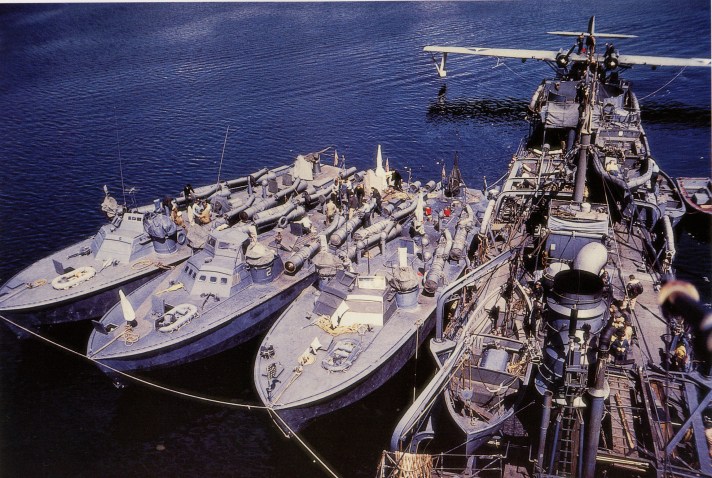
Jim Bennett initially couldn’t get into the military, as he was working at Boeing in Seattle in a job considered vital to the war effort. In 1942, during a short family vacation to Utah, people on the street spit on him for not being in uniform. The humiliation drove him to do everything he could to get out of his work at Boeing. He ended up in the Navy, serving aboard PT-Boats. He was killed in the summer of 1945 in a Kamikaze attack.
Telling these stories, keeping their memories alive? That’s why I’m here.
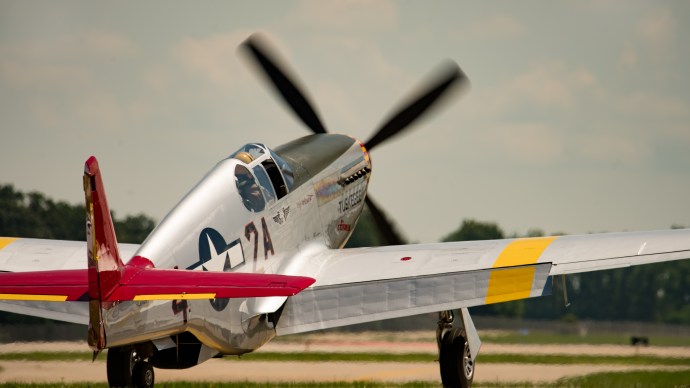 Last week, I was supposed to only be at Oshkosh for Monday and Tuesday. I ended up staying until Sunday morning, shooting photos on the flight line for up to fifteen hours each day. I was simply amazed at the diversity of aircraft coming and going in the morning, long before the official air show began. Seriously, if you love aviation, get to Oshkosh sometime in your life if you’ve never been. It is the holy grail of warbird events.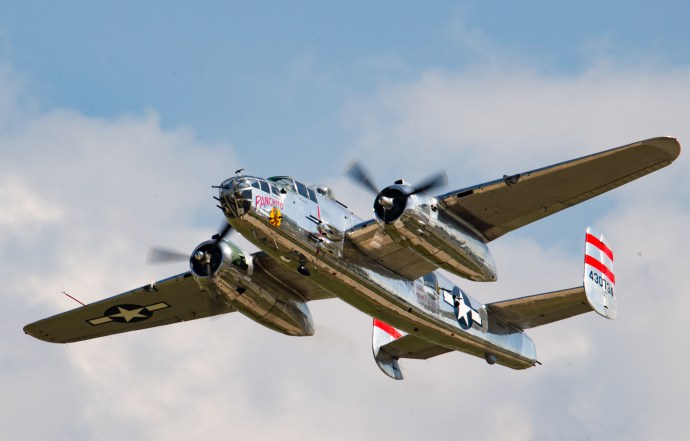
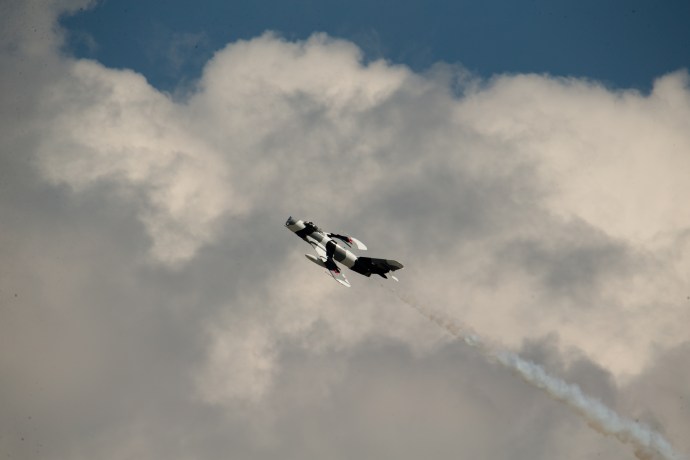
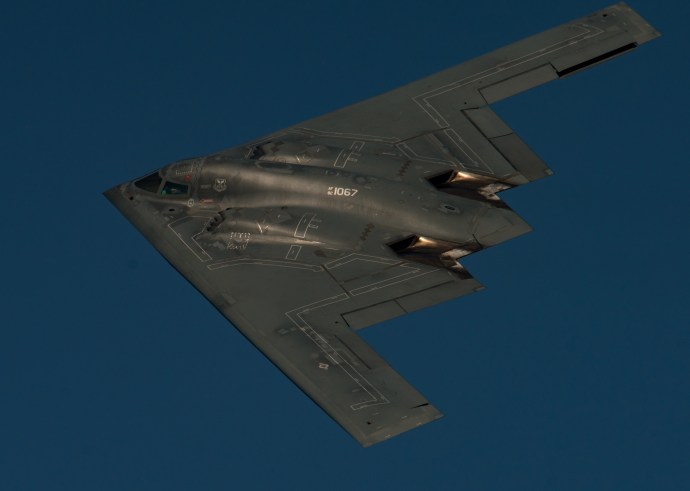
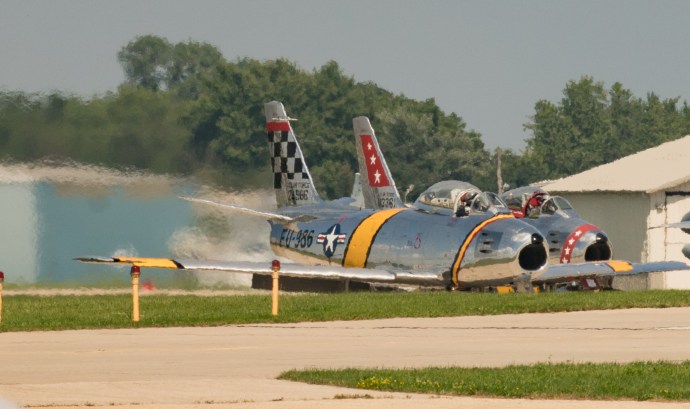
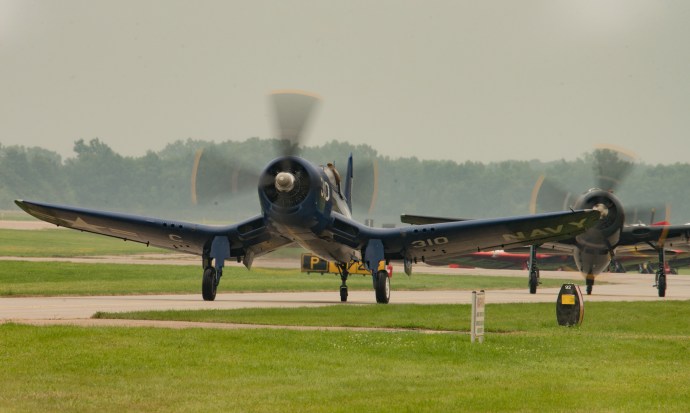
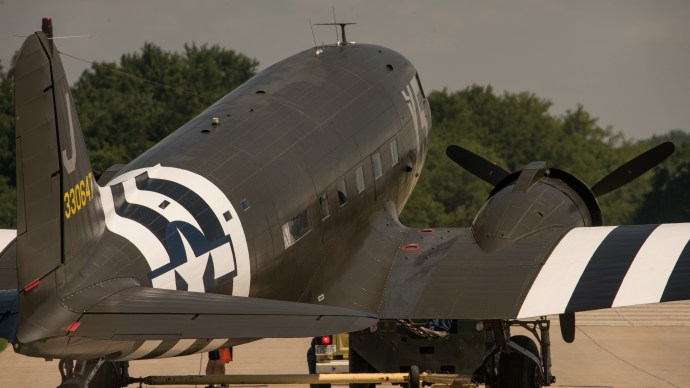
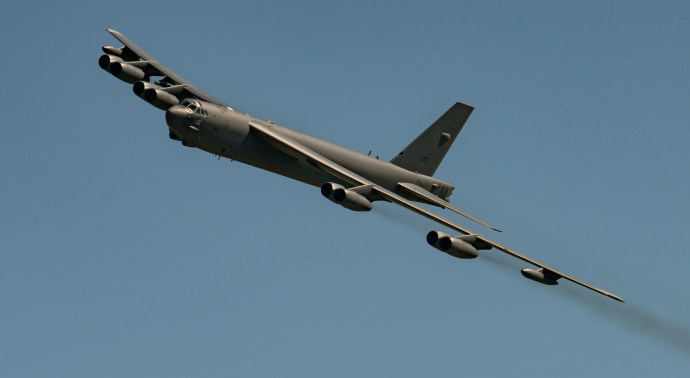
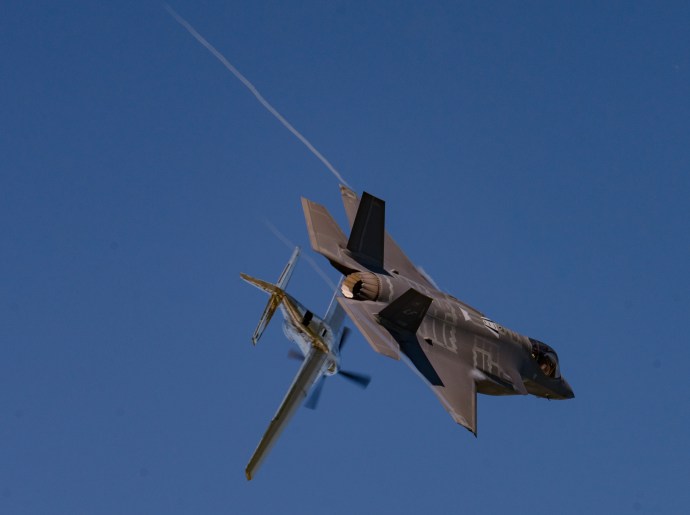
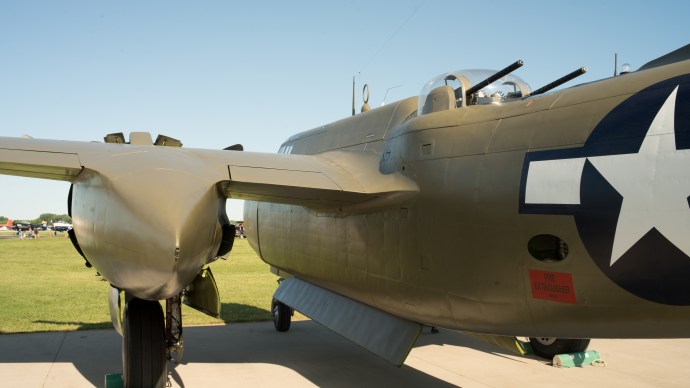
 Last week was a very special one for me. After finishing up doing research at the Richard Ira Bong Veterans Historical Center in Superior, I drove south to Oshkosh, pitched a tent and spent five days photographing the aircraft.


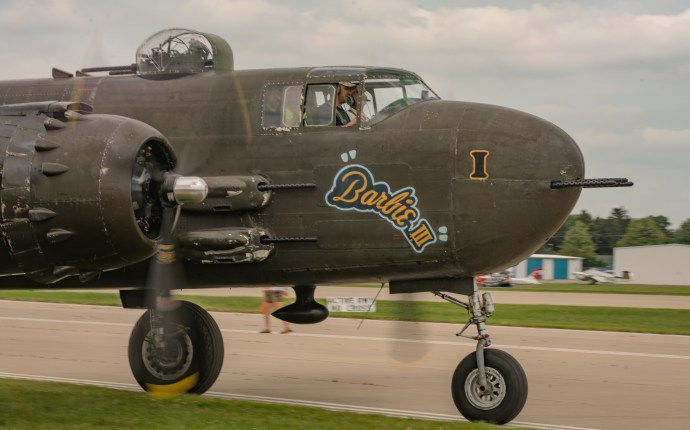
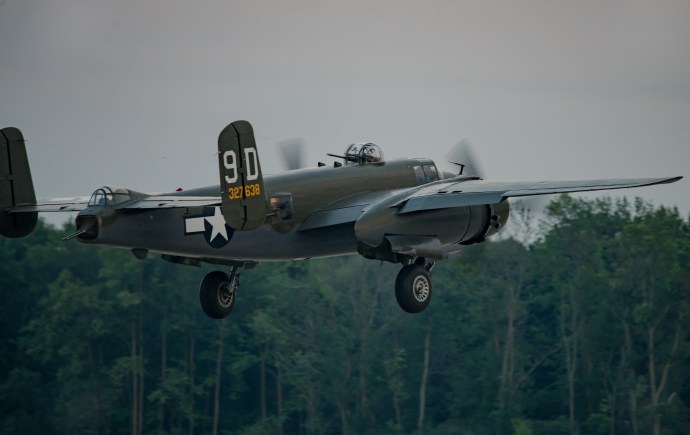
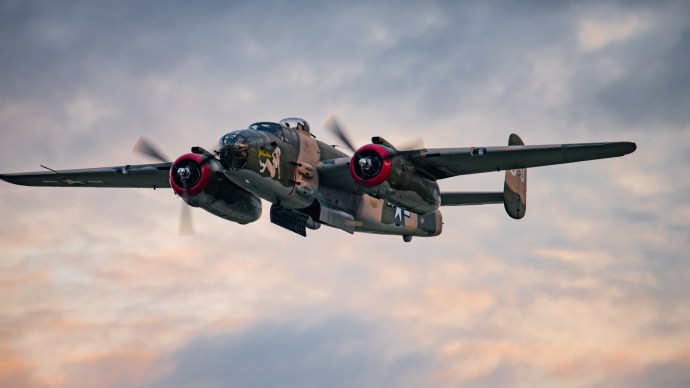


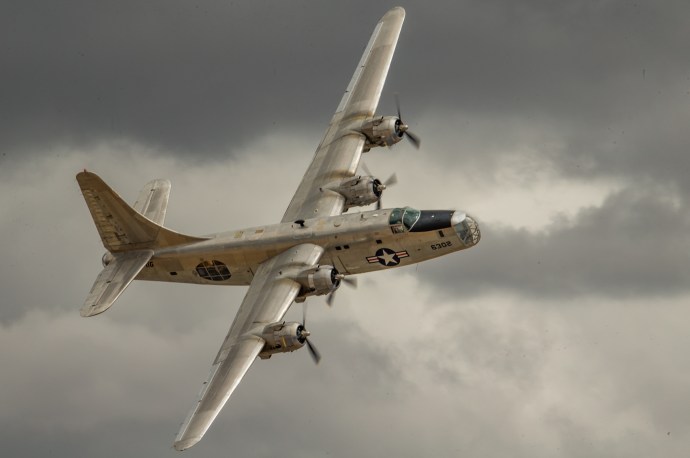

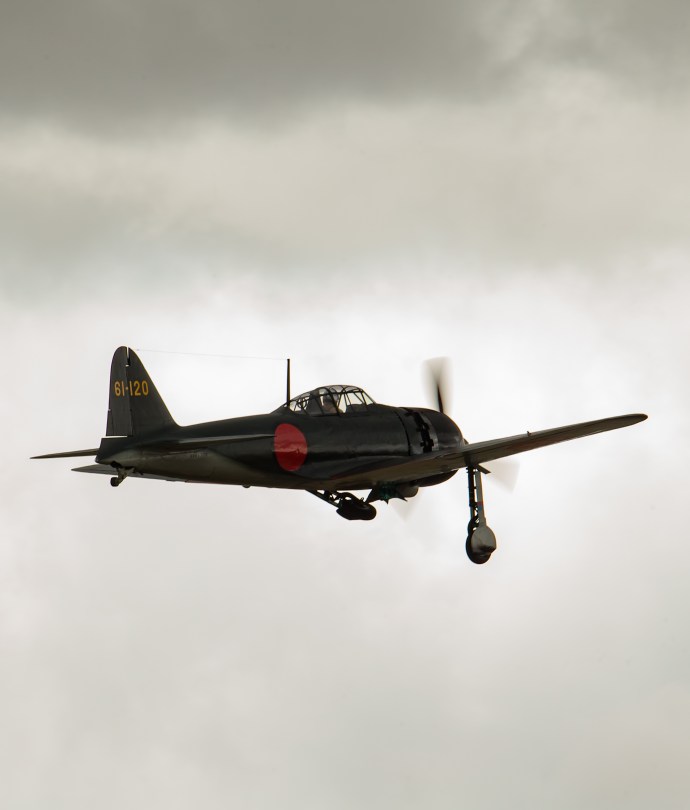
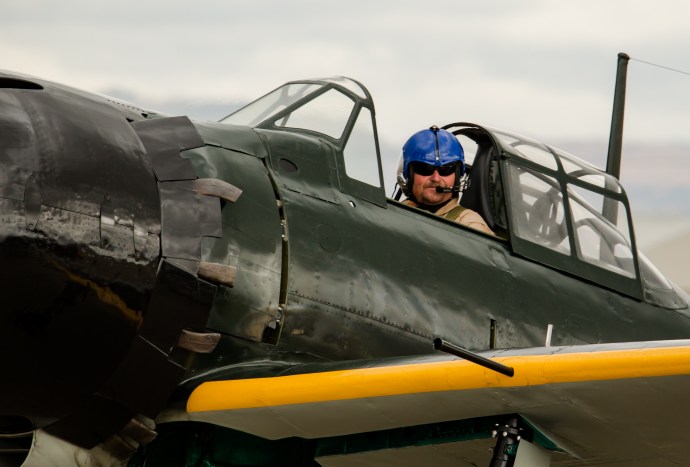
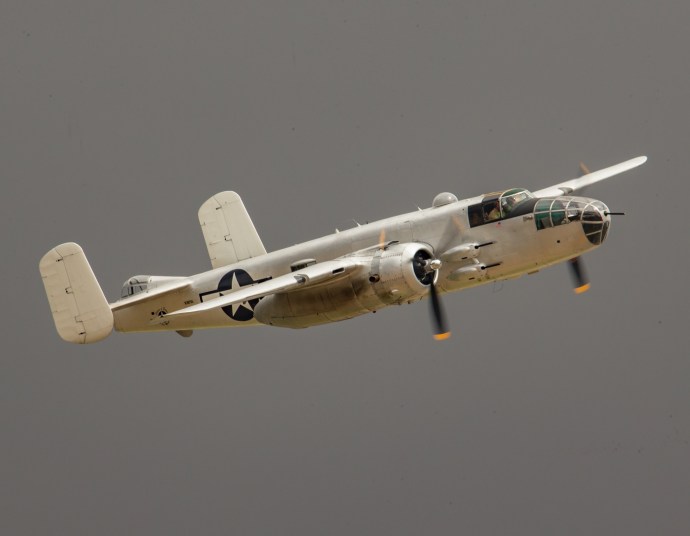
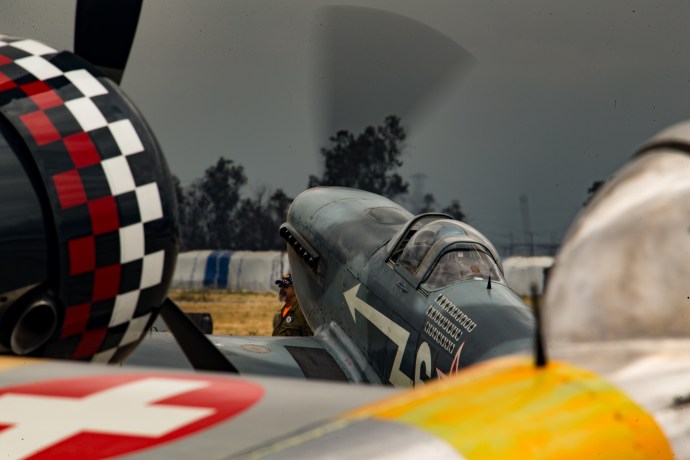
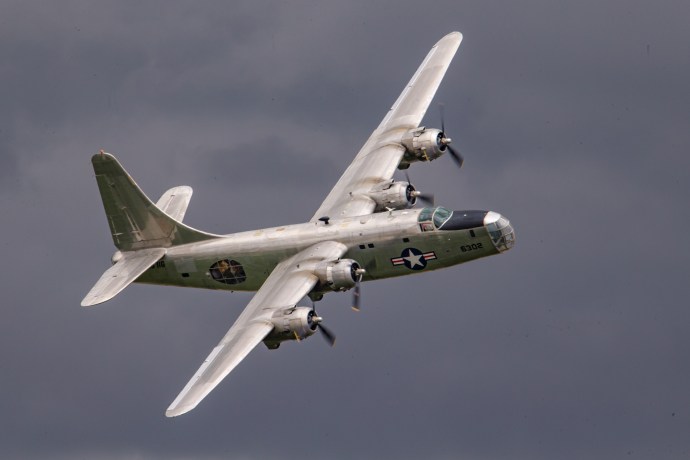
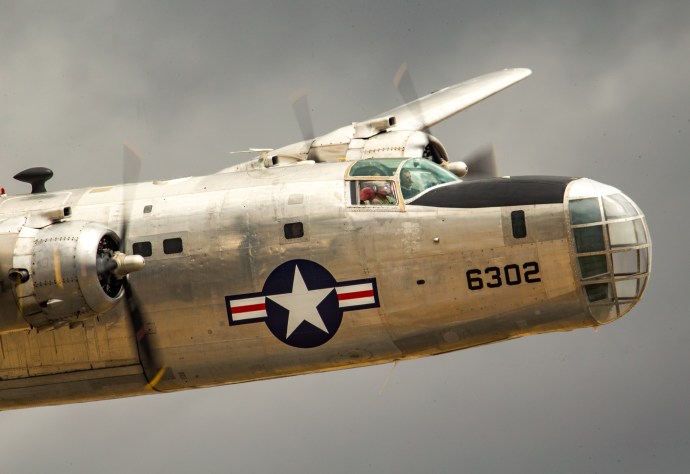
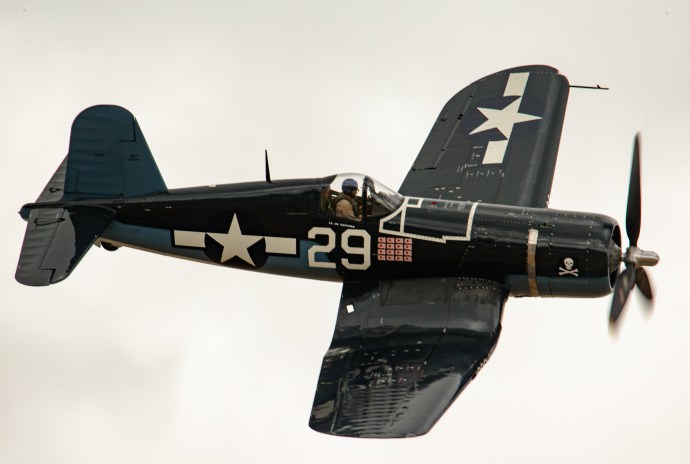
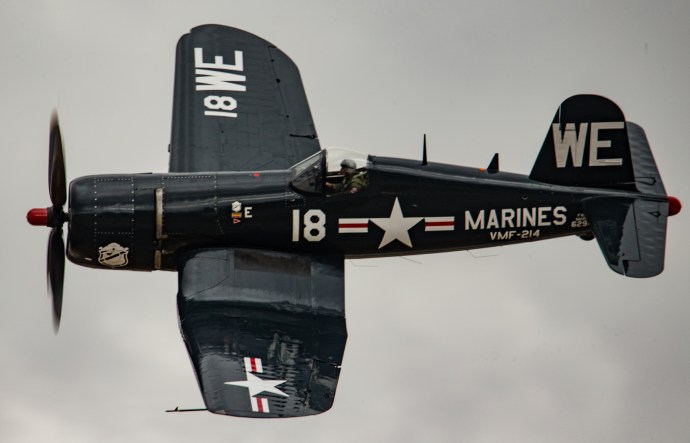
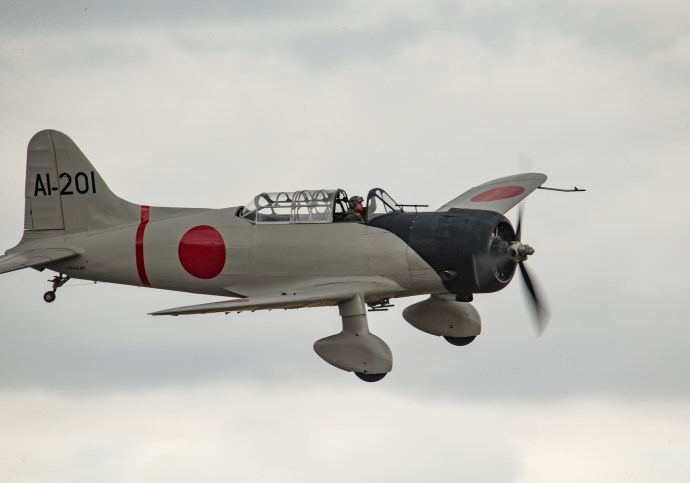
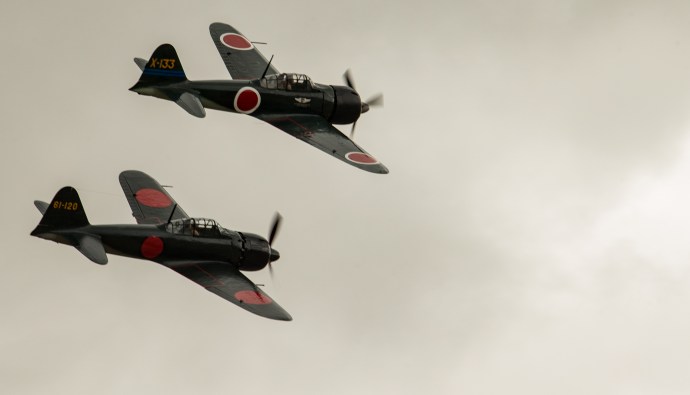
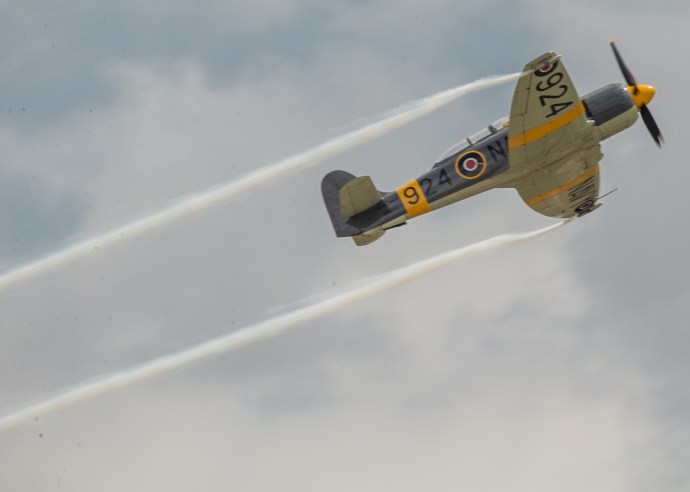
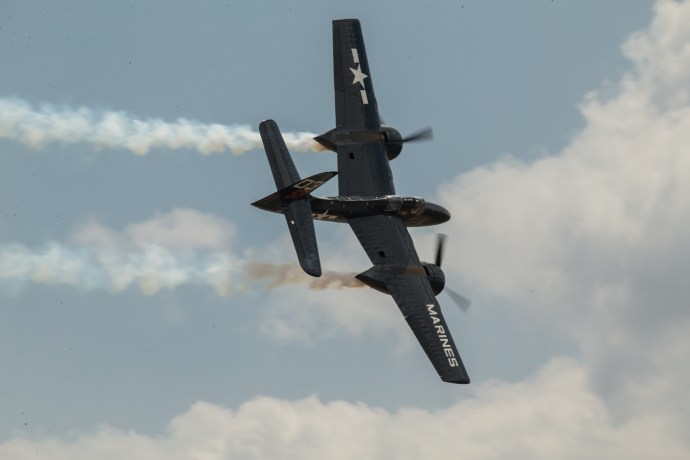
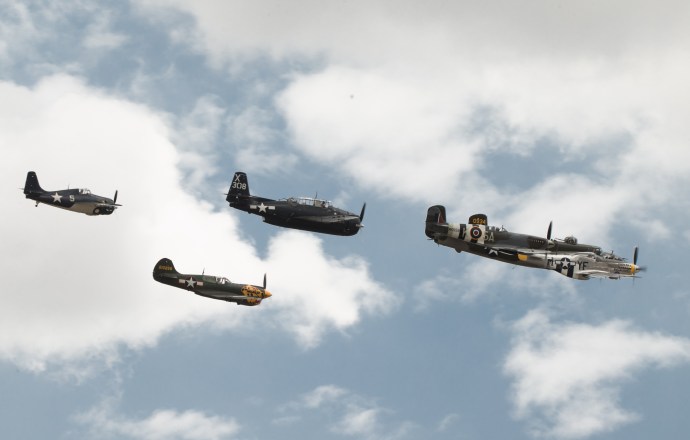
 Last weekend concluded one of the best warbirds air shows in the country. The Planes of Fame Air Museum puts on an astonishing display of military aviation heritage every May in what has become a major tradition within the warbirds community.


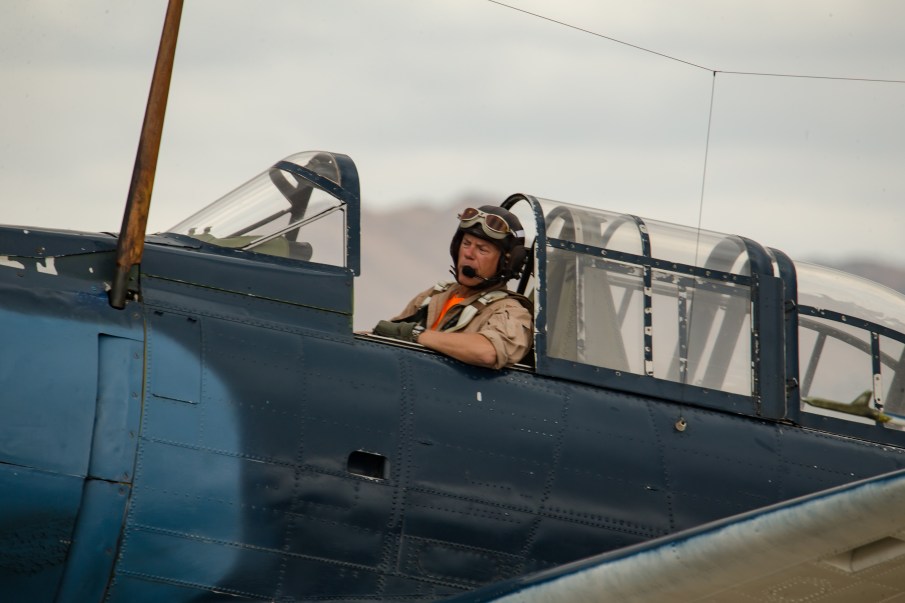


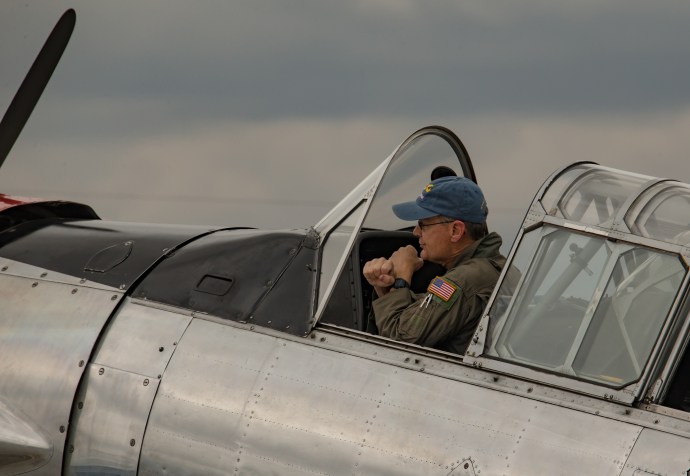


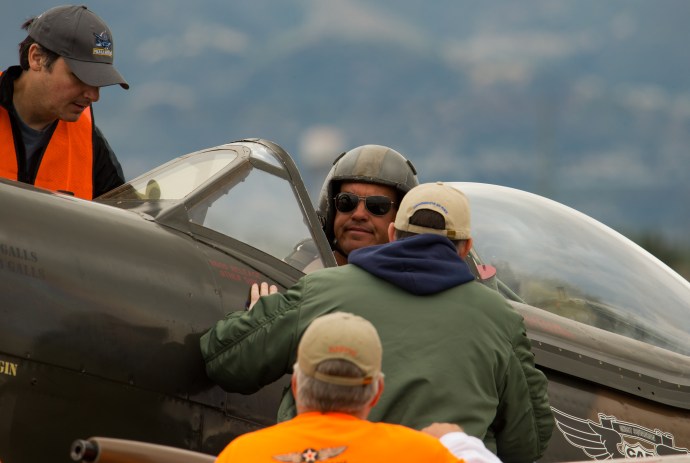
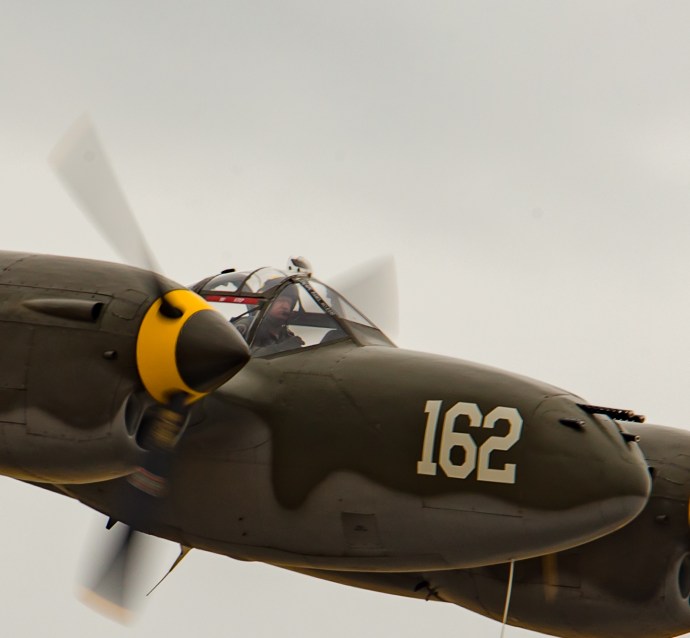
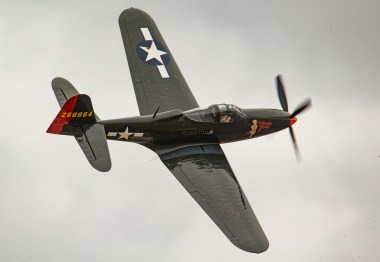 For one weekend every year since 1957, the skies over Chino, California fill with the sights and sounds of World War II aircraft. Nestled on an old Army Air Force base where the likes of 24 kill ace Gerald R. Johnson once trained, hosts this incredible event as one of its main fund raisers. These days, lucky visitors to Chino can see upwards of forty warbirds thunder overhead.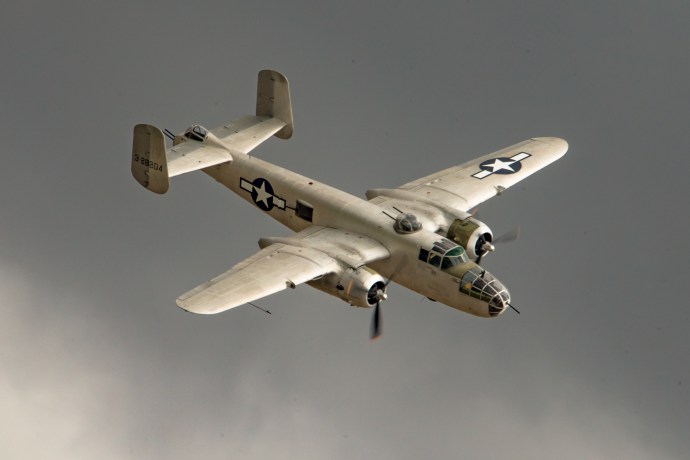

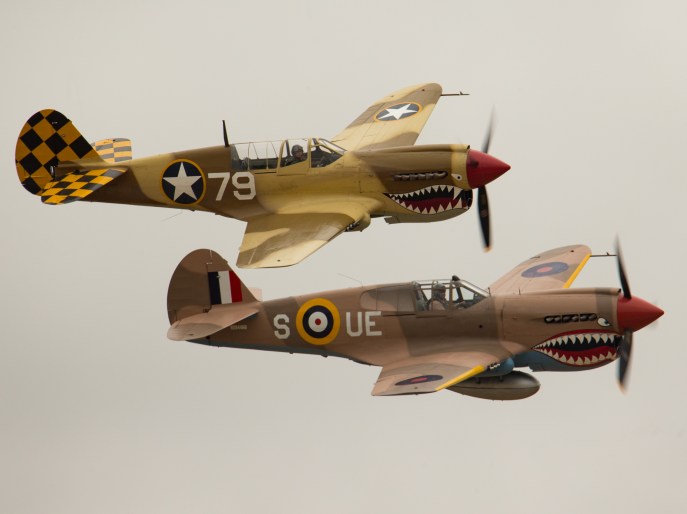
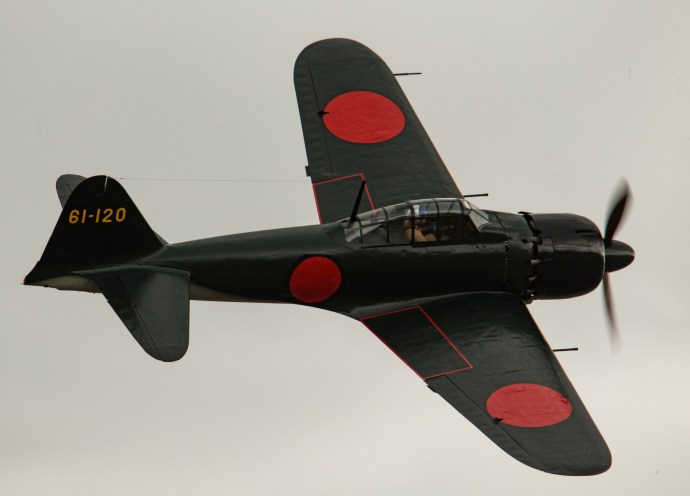
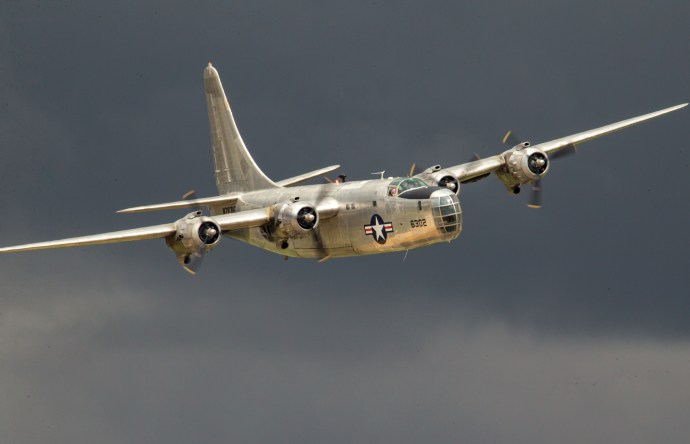
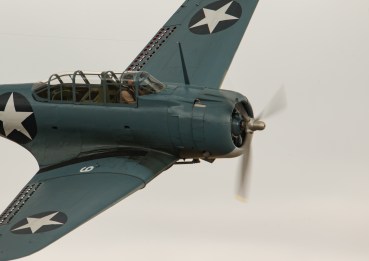 World War II is slipping from modern memory as the few remaining veterans of it pass. It won’t be long before we won’t have anyone alive who experienced the war at all. But thanks to Planes of Fame, the visceral sensation, the raw power and speed of the planes our grandparents flew in defense of our nation will endure and live in the memories of succeeding generations. Ed Maloney was a visionary, and thanks to his aircraft rescue efforts long before anyone saw value in those aluminum bodies, the sounds and sights of these amazing machines will continue to fill the skies over Southern California for years to come.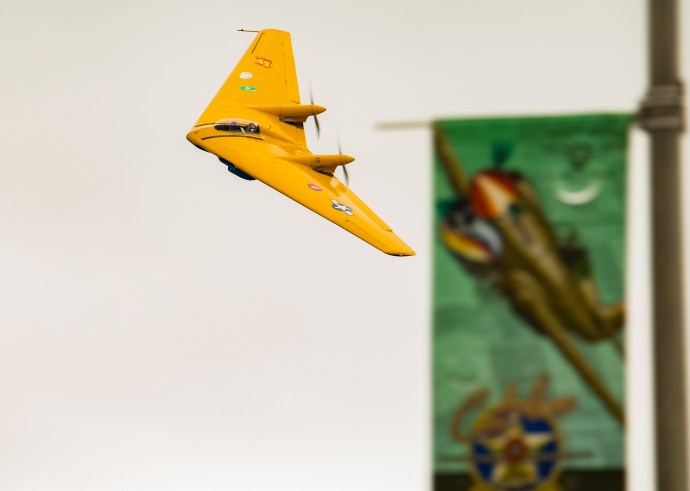



 Val C. Pope served with a U.S. Army Signal Corps company during World War II. He was one of the first combat cameramen to make it ashore on D-Day. He landed on Omaha Beach with still photographer Walter Rosenblum sometime during the morning of June 6th. Armed only with a movie camera, Val and Walter set about capturing the chaos on Omaha as it unfolded around them. One of the most gripping movie clips Val shot that survived the landing was the rescue of several drowning GI’s. Their landing craft was hit and sinking, and as they ended up in the water floundering, a young lieutenant saw their plight from shore. He grabbed a cast away life raft, jumped into the surf and swam out to them. Val’s footage shows the men being helped ashore.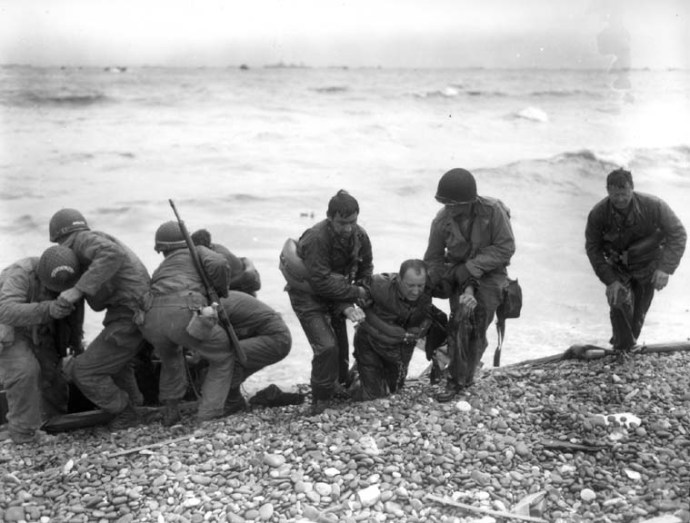





 The American Warrior